Understanding Everyday Routines and Patterns
DailyContext is an educational resource exploring the everyday habits, routines, and lifestyle patterns that are commonly discussed in public conversations about daily life and gradual changes over time.

Daily Routines Overview
Daily routines form the backdrop of everyday life. These patterns vary widely among individuals and are shaped by numerous factors including work schedules, family circumstances, geographic location, and personal preferences.

Morning Patterns
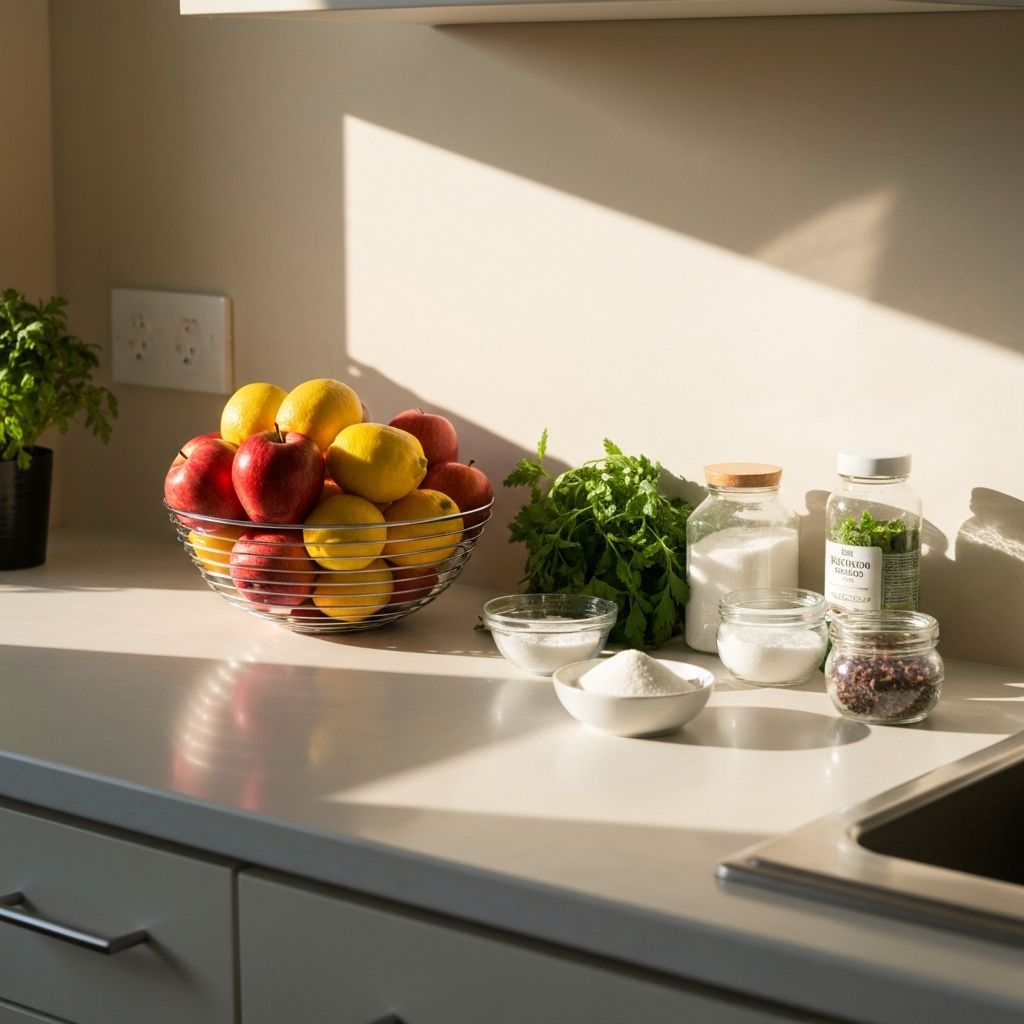
Morning routines differ considerably across households. Some individuals begin their day early, while others follow later schedules. These variations reflect diverse employment arrangements, family responsibilities, and personal chronotypes.
Common morning activities frequently mentioned in everyday discussions include meal preparation, commuting, and various household tasks that mark the transition from rest to activity.
Evening Patterns
Evening routines similarly vary based on individual circumstances. For many, evenings involve returning home from work or other daytime activities, preparing meals, and engaging in leisure or family time.
The transition from daytime activities to evening rest follows different patterns depending on household composition, seasonal changes, and personal habits developed over time.
Workday Habits and Structure

Workday structures have evolved considerably over recent decades. Traditional patterns involving fixed office hours have, for many, given way to more varied arrangements including remote work, flexible scheduling, and hybrid models.
These changes have introduced new patterns into daily life. Working from home, for instance, has altered commuting habits, meal timing, and the boundaries between professional and personal time for many individuals.
Office-based work environments present their own characteristic patterns, including scheduled breaks, communal eating areas, and the social dynamics of shared workspaces.
Workday patterns are shaped by industry requirements, organisational culture, individual roles, and personal circumstances. No single pattern represents a universal standard.
Leisure Time Patterns
Leisure time encompasses the hours outside work and essential household responsibilities. How this time is spent varies enormously based on interests, available resources, social connections, and energy levels.
Indoor Leisure
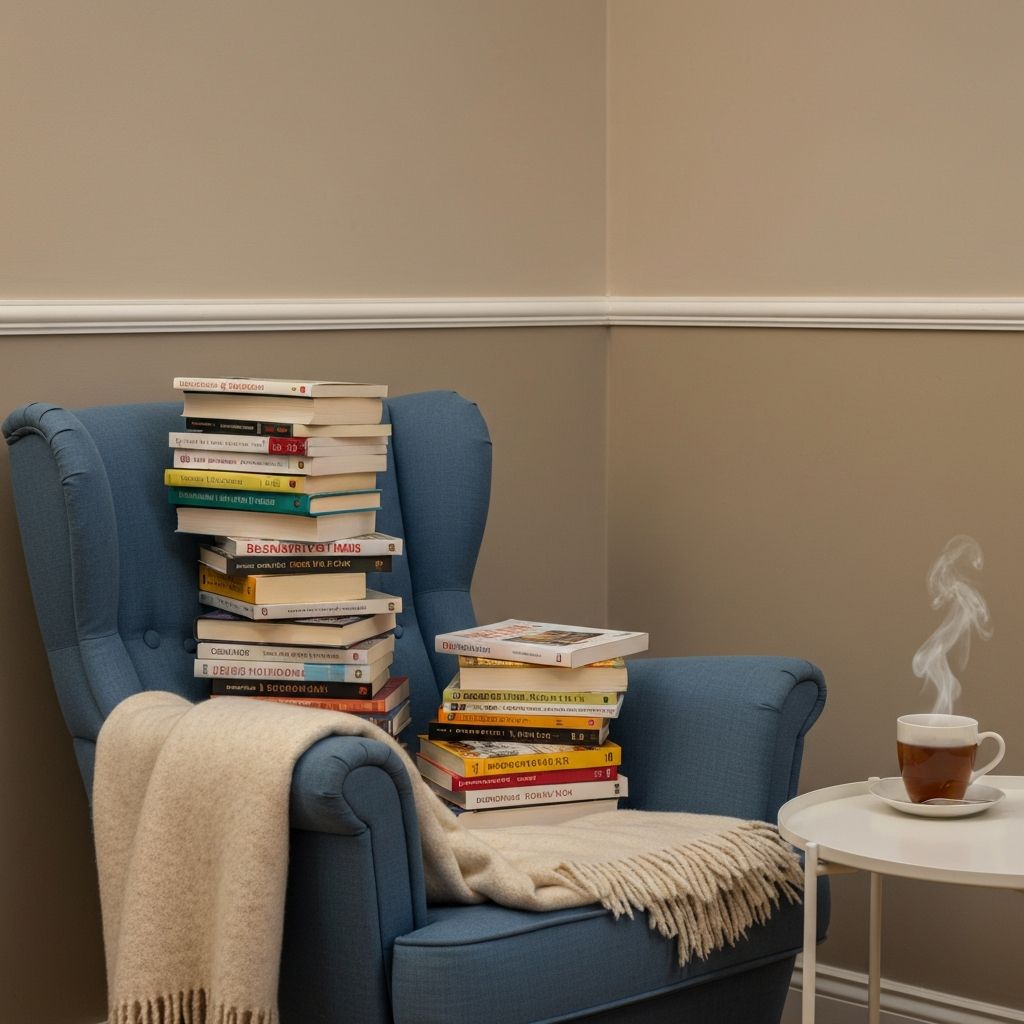
Indoor leisure activities commonly discussed include reading, watching television or streaming content, cooking as a hobby, crafting, and various digital activities. The home environment shapes many of these pursuits.
Seasonal variations influence indoor leisure patterns, with colder months often seeing increased time spent at home across many regions.
Outdoor Leisure
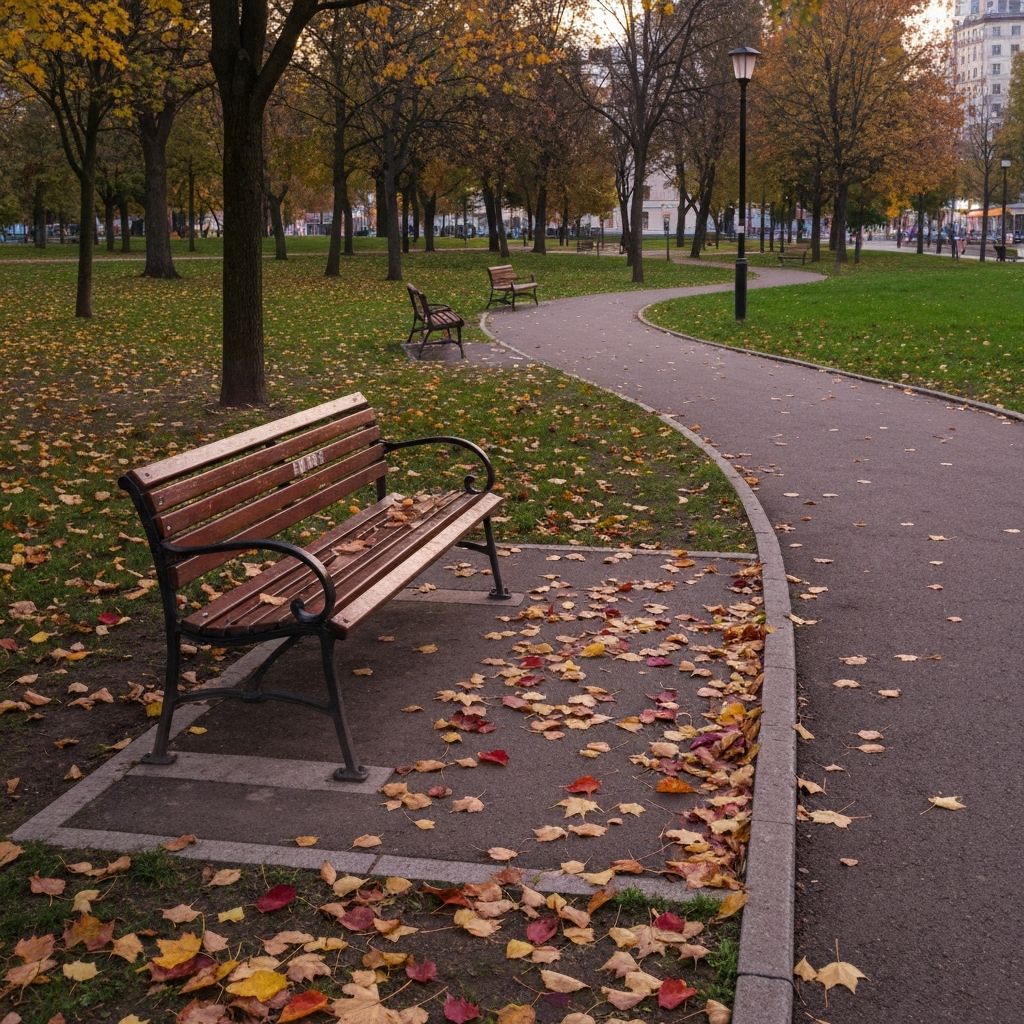
Outdoor leisure varies by geographic location, climate, and personal preferences. Common activities mentioned in everyday conversations include walking, gardening, visiting parks, and various forms of outdoor recreation.
Access to outdoor spaces, weather conditions, and daylight hours all influence patterns of outdoor leisure throughout the year.
Eating Occasions in Daily Schedules

Eating occasions structure the day for many individuals. Traditional patterns of breakfast, lunch, and dinner remain common, though variations exist including different meal timing, snacking patterns, and varying numbers of daily eating occasions.
Meal contexts vary widely: eating alone or with others, at home or away from home, quickly or leisurely. These contextual factors are frequently discussed in conversations about daily life patterns.
Cultural backgrounds, work schedules, family compositions, and personal preferences all influence when, where, and how eating occasions occur throughout the day.
Environmental and Routine Context
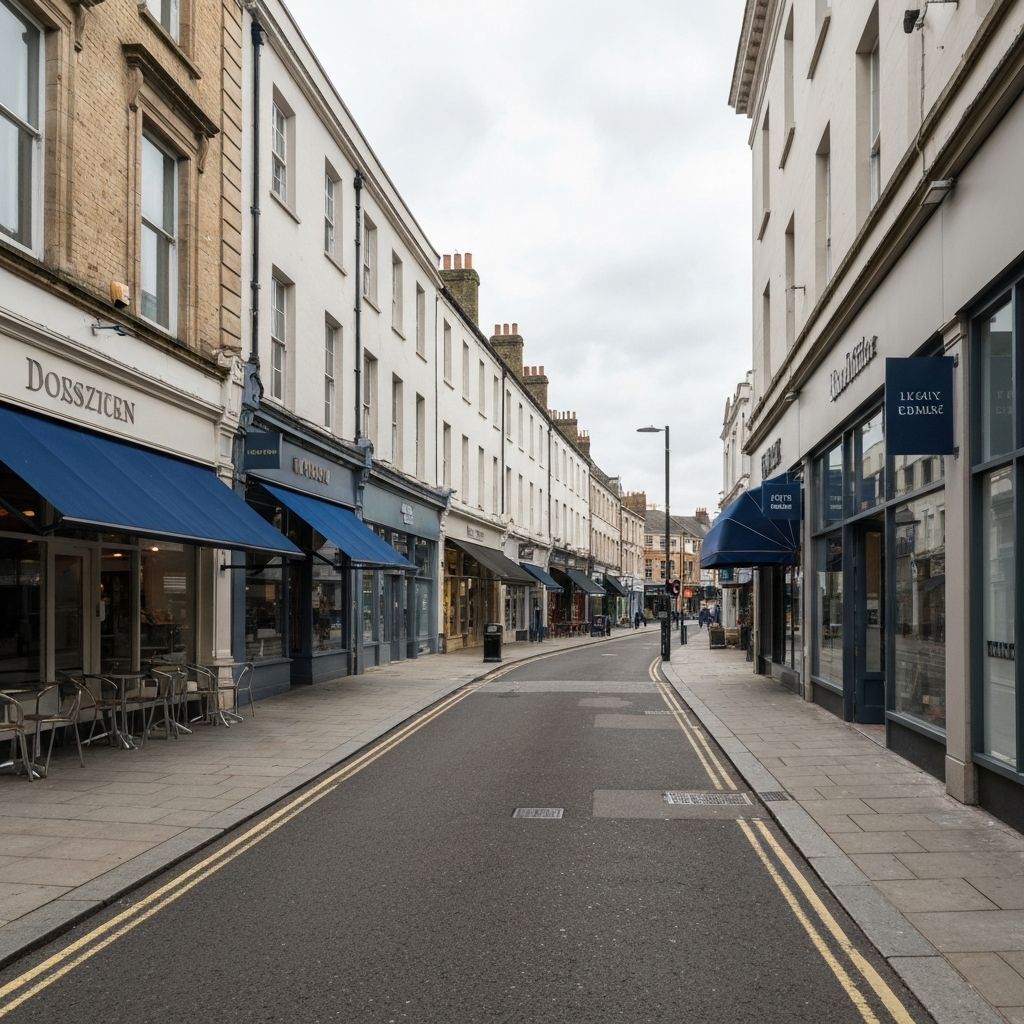
The environments in which daily life unfolds shape routine patterns. Urban, suburban, and rural settings each present different contexts for everyday activities including transportation, shopping, and leisure.
Built environments influence walking patterns, access to various services and amenities, and the general rhythm of daily movement. These environmental factors form part of the broader context of daily routines.
Seasonal changes similarly affect daily patterns, altering daylight hours, outdoor activities, and various aspects of domestic routine throughout the year.
Observational Notes on Habits

Habits develop gradually through repeated actions within consistent contexts. The routines described throughout this resource represent observable patterns that characterise daily life for many individuals.
These patterns are neither universally present nor uniformly experienced. Individual circumstances, personal histories, and countless other factors create enormous variation in how daily life is actually lived.
Public discussions about lifestyle patterns often reference these everyday habits as part of broader conversations about how people structure their time and activities.
Limitations and Context
About This Information
The content presented on DailyContext is educational and informational in nature. It describes common patterns and contexts that are frequently discussed in public conversations about everyday life.
No Personal Recommendations
This resource does not provide personal recommendations, assessments, or guidance. The information presented describes general patterns without suggesting that any particular approach is preferable or applicable to any individual reader.
Diversity of Experience
Daily life patterns vary enormously across individuals, households, cultures, and circumstances. No description of common patterns should be understood as representing a norm against which individual experience should be measured.
Informational Purpose
This content exists to provide context and background information about everyday routines as they are commonly discussed. It is not intended to influence decisions or evaluate any aspect of readers' own habits or circumstances.
Frequently Asked Questions
DailyContext is an educational resource that provides information about everyday routines and patterns commonly discussed in public conversations. It aims to offer context and background on how daily life is generally structured without providing personal recommendations or guidance.
No. DailyContext does not provide personal advice, recommendations, or guidance. All content is informational and describes general patterns without suggesting any particular approach for individual readers.
Content on DailyContext is created by our editorial team with a focus on providing clear, neutral, and informational descriptions of everyday patterns and routines as they are commonly understood and discussed.
The information on DailyContext is intended for general educational purposes. It provides background context on everyday patterns and should be understood as descriptive rather than prescriptive content.
No. DailyContext is an independent educational resource. It is not affiliated with any commercial products, services, or programmes. The site exists solely to provide informational content about everyday routines and patterns.
Contact Us
If you have questions about the educational content on DailyContext, you may reach us using the contact form or the details provided below.
Contact Information
DailyContext
18 Rowan Street
Manchester M16 7DP
United Kingdom
Telephone: +44 70 84 59 21 63
Email: [email protected]
Explore Everyday Context
Learn more about the patterns and routines that characterise daily life.
Read the Overview
Social Routines and Gatherings
Social interactions form a significant component of daily life for many individuals. These interactions take various forms, from brief exchanges with neighbours to organised social events.
Casual Social Settings
Cafes, pubs, and restaurants serve as common venues for social interaction. Meeting friends or colleagues in such settings represents a widespread social pattern across many communities.
These casual gatherings often accompany food or beverages as part of the social ritual, though the specific customs vary by culture and individual preference.
Home-Based Gatherings
Home-based social gatherings, from informal visits to organised dinner parties, represent another common pattern in social life. These events often centre around shared meals or other communal activities.
The frequency and nature of home entertaining varies considerably based on living arrangements, cultural background, and personal preferences.